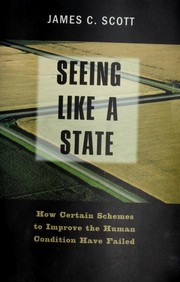
Scott’s argument is that high-modernist states fail when they try to make the world legible — to flatten the irregular, local, tacit knowledge of how things actually work into the kind of standardized, top-down categories a state can plan with. Forestry, agriculture, urban planning, language itself: each chapter is a different domain getting the same treatment, and the same lesson keeps surfacing.
The book has aged in interesting ways. Written before the platform era, it reads now like a prequel to debates about algorithmic governance — when “the state” is a recommendation system or a credit score, the legibility problem doesn’t go away, it just gets faster.
Recommended pairing: The Art of Not Being Governed, also Scott, for the positive case for illegibility.