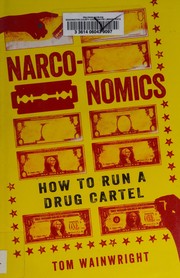
A very accessible read that applies basic economics to the illegal narcotics business. The chapters are organised more or less by anecdotes of how cartels are run in the context of any regular business (materials sourcing, recruitment, M&A, product diversification), alongside the often ineffective policies to curb their efforts.
Key takeaways:
- Too much effort has been put into controlling the supply (which is the lowest value point in the supply chain) rather than demand. Because cartels often have monopsy pricing power over the suppliers, any restrictions on the supply (coca leaves etc.) is felt by the farmers and not the cartels/dealers. The big markups are done much later down the value chain, such that end consumers hardly feel the price difference from supply restriction
- Treatment is up to 10x more effective than enforcement. Yet government spending is heavily skewed toward the latter. Out of controlling supply from “source countries”, intercepting it on its way to the US, school prevention programs, and treatment programs for drug addicts, the last is far more impactful in reducing consumption
- The multinational nature of cartels vs. the nation-scoped drug policies has mean that in aggregate we have achieved very little to reduce the problem at a global level. Crackdowns in one country drives illicit activity to another, and possibly back to the original country
- The case for legalization is not that drugs are safe, but its precisely that they are dangerous that bringing them under the law is a more effective way to control them rather than leaving it to the cartels. For this, the chapters on marijuana legalization in Colorado and the “legal highs” industry in New Zealand were particularly interesting