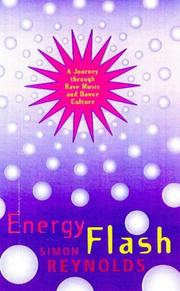
Reynolds begins with what might be the defining question of rave culture: is it possible to base a culture around sensations rather than truths, fascination rather than meaning? His answer via this book is essentially: people tried, and the results were extraordinary and self-destructing in roughly equal measure.
Rave is a form of collective disappearance, not a resistance-through-rituals like punk, but an investment in pleasure that shouldn’t be dismissed as mere retreatism. The comparison to Zen Buddhism was stark here: emptying out of meaning via mantric repetition, and nirvana as the paradox of the full void. Where rock relates an experience, rave constructs one. That distinction should clarify something about why electronic music works differently on the body and mind.
The book traced the utopian/dystopian arc that every rave scene follows. Two years, tops, of honeymoon before the shift from Ecstasy use to abuse, the MDMA burnout, and the polydrug chaos. This was presented as less a moral argument and more a structural inevitability. The same feedback loop is playing out from Ibiza to Manchester to San Francisco to Berlin. The early acid house scene dissolves class, race, and sex preference barriers through sheer pharmacological force: football hooligans who used to gouge each other with broken glasses are suddenly hugging and scoring drugs off rival firms. Ecstasy as an antidote to reserve, inhibition, and emotional constipation. But the magic fades, and what replaces it is darker and more complicated.
The book’s real thesis is about how culture metabolises its own utopian energies. The split between “intelligent techno” and hardcore mirrors much of the underground-to-mainstream tension. Reynolds is at his best tracing how the progressive faction retreated from rave’s most radically posthuman aspects toward traditional ideas about the solitary genius. The struggle over who “owns” electronic music and what direction it should take feels urgent in any era where a subculture starts getting attention.
A massive, exhausting, essential history. Reading it felt like being on a very long night out.